Introduction
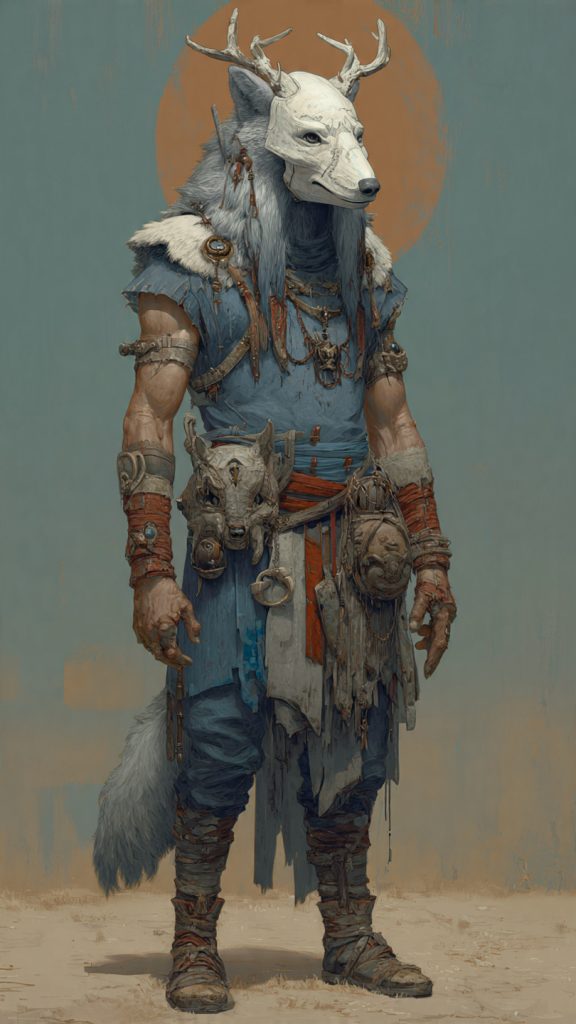
For many young people, the question “What does it mean to be a therian?” is not abstract or theoretical. It is personal. It comes from lived experiences that may have existed for years before a word was ever found to describe them. Feeling animal-like on the inside, sensing instincts that do not feel entirely human, or experiencing a deep inner connection to a specific animal can be confusing without context or language. Discovering the concept of being a therian often brings clarity, relief, and a sense of recognition.
This article exists to explain, in a grounded and respectful way, what it means to be a therian. It is written for young people who identify as therians, are questioning, or are simply curious. The focus is on education, self-understanding, community, and emotional safety. There is no single way to be a therian, and there is no expectation to fit into a mold. The goal is understanding, not labels for the sake of labels.
What Is a Therian?
A therian is a person who identifies, on an internal and non-physical level, as an animal. This identification is part of how the person experiences themselves psychologically, emotionally, or spiritually. Therians understand that they are physically human. The animal identity exists internally, not biologically.
Being a therian is about identity, not behavior. It does not require acting like an animal, wearing costumes, or changing how you live your daily life. Many therians live completely typical lives while carrying an inner sense of animal selfhood that feels natural and authentic to them.
The term therianthropy is often used to describe this internal experience. In modern usage, it does not refer to myths or physical transformation. Instead, it describes a form of self-identity that differs from the human norm while remaining grounded in reality.
How People Realize They Are Therian
There is no single moment or pathway that leads someone to identify as a therian. Discovery often happens gradually.
Some common experiences include:
- Feeling “different” from a young age without knowing why
- Strong emotional or instinctual reactions that feel animal-like
- A sense of recognition or familiarity when learning about a certain animal
- Recurring dreams involving being an animal
- Feeling more at ease imagining oneself as an animal internally
For many, discovering the word therian feels like finding a missing puzzle piece. It gives language to feelings that were already there.
Understanding Theriotypes
A theriotype is the animal (or animals) a therian identifies as. This identity may feel symbolic, instinctual, emotional, or deeply personal.
Common Theriotype Categories
| Category | Description |
| Mammals | Wolves, cats, foxes, horses, bears |
| Birds | Ravens, hawks, owls, songbirds |
| Reptiles | Snakes, lizards, dragons (non-mythical identity experiences vary) |
| Aquatic Animals | Dolphins, sharks, seals |
| Multiple Theriotypes | Some therians identify with more than one animal |
Not every therian has a clearly defined theriotype, especially early on. Some people take years to understand or name their animal identity, while others prefer not to label it at all.
What Being a Therian Feels Like
The internal experience of being a therian can differ greatly from person to person. There is no checklist that defines legitimacy.
Some commonly reported experiences include:
- Animal-like instincts, such as protectiveness or alertness
- Emotional responses that feel aligned with an animal identity
- A sense of comfort imagining oneself as an animal internally
- Feeling disconnected from purely human identity descriptions
These feelings are typically subtle and integrated into daily life rather than overwhelming.
Shifts: A Common but Not Universal Experience
Many therians describe experiencing shifts, which are temporary changes in perception, mindset, or sensation. Shifts are internal and do not cause a loss of control.
Types of Shifts
| Shift Type | Explanation |
| Mental Shift | Thinking or reacting in a more animal-like way |
| Phantom Shift | Sensations of animal features such as tails or ears |
| Emotional Shift | Strong animal-aligned emotional states |
| Dream Shift | Experiencing animal form during dreams |
Shifts are not required to be a therian. Some therians never experience them at all.
What Being a Therian Is Not
There are many misunderstandings about therian identity. Clarifying what it is not helps prevent confusion and stigma.
Being a therian is not:
- A belief in physical transformation
- A mental illness
- A trend or challenge
- The same as roleplay or cosplay
- A requirement to behave like an animal in public
Therians remain aware, grounded, and responsible for their actions.
Therian Identity and Mental Health
Being a therian is an identity, not a diagnosis. However, like all people, therians can experience mental health challenges unrelated to their identity.
Healthy therian spaces emphasize:
- Emotional awareness
- Grounding in reality
- Respect for personal boundaries
- Encouragement to seek help when needed
If someone experiences distress, anxiety, or confusion that feels overwhelming, talking to a trusted adult or mental health professional is important and valid.
Why Community Matters
Many young therians feel isolated before finding others who understand their experiences. Community plays a crucial role in emotional well-being.
Benefits of Therian Community Spaces
- Feeling seen and understood
- Sharing experiences without judgment
- Learning from others at different stages of self-discovery
- Developing language for internal experiences
Healthy communities prioritize safety, respect, and inclusivity.
Exploring Therian Identity Safely
Exploration should always be gentle and pressure-free. There is no deadline to figure everything out.
Healthy Ways to Explore
| Method | Purpose |
| Journaling | Reflect on feelings and patterns |
| Creative Expression | Art, writing, or music |
| Learning About Animals | Understanding real animal behavior |
| Nature Time | Building calm and grounding |
| Conversation | Talking with trusted people |
Exploration should never involve harm, risky behavior, or ignoring real-life responsibilities.
Being a Therian as a Young Person
For young people, identity exploration is a normal part of growing up. Being a therian does not replace other aspects of identity such as interests, friendships, culture, or goals.
Important reminders:
- You do not need to tell everyone
- You do not need to prove anything
- Your safety comes first
- Identity can evolve over time
It is okay to question, pause, or change how you understand yourself.
Respecting Differences Within the Therian Community
No two therians are exactly alike. Differences exist in:
- How identity is experienced
- Whether it is psychological, spiritual, or symbolic
- How openly it is expressed
- Whether labels are used
Respecting these differences creates stronger and safer spaces for everyone.
Practical Guidance for Daily Life
Being a therian does not require changing how you function in society. Most therians balance their identity alongside everyday responsibilities.
Grounded Living Tips
| Area | Practical Approach |
| School or Work | Stay focused on responsibilities |
| Social Life | Choose safe, respectful spaces |
| Online Presence | Protect personal information |
| Self-Care | Rest, creativity, reflection |
| Boundaries | Respect yourself and others |
Integration, not separation, supports long-term well-being.
Common Questions Young Therians Ask
“Do I have to act like my theriotype?”
No. Behavior is a choice. Identity is internal.
“What if my theriotype changes?”
That is okay. Understanding can deepen or shift over time.
“Am I still valid if I don’t shift?”
Yes. Shifts are not a requirement.
“Should I tell my family?”
That decision is personal. Safety and comfort matter most.
Therian Identity and Respect
Being a therian does not give permission to disrespect others, break rules, or ignore safety. Responsibility and awareness are part of healthy identity expression.
Mutual respect includes:
- Respecting non-therians
- Respecting other therians’ experiences
- Respecting personal and social boundaries
Conclusion
To be a therian is to recognize an internal animal identity while fully understanding one’s human body and life. It is a personal experience shaped by reflection, honesty, and self-awareness. There is no single definition that fits everyone, and no external authority decides who is “real” or “valid.”
For young people especially, discovering this identity can be both comforting and challenging. Patience, safety, and community support make that journey healthier and more meaningful. Being a therian is not about escaping humanity, but about understanding yourself more fully within it.
About the Author

Hi, this is a comment.
To get started with moderating, editing, and deleting comments, please visit the Comments screen in the dashboard.
Commenter avatars come from Gravatar.